
Dewatering is unavoidable on most excavation and pipeline projects — but discharging untreated water can trigger violations, fines, and shutdowns. Here's how to treat it on site.
Nearly every excavation, trenching, and pipeline project eventually hits water — groundwater seeping into the trench, rainwater pooling in the cut, or accumulated runoff. Before that water can leave your site, it usually has to meet turbidity, pH, and contaminant limits set by your discharge permit. Discharging untreated dewatering water is one of the fastest ways to earn an environmental violation, and the fines and stop-work orders that follow can dwarf the cost of treating it correctly.
Why raw dewatering water fails compliance
Most dewatering water fails on turbidity — the cloudiness caused by suspended sediment and fine clay particles that won't settle out on their own in the time you have. Depending on the site, you may also be dealing with elevated pH from concrete or grout work, hydrocarbons from equipment, or metals from disturbed soils. Each of these has to be brought within permit limits before the water reaches a storm drain, waterway, or municipal system.
The three ways crews handle dewatering water
- Haul it off — the simplest but by far the most expensive option. You pay for trucks, transport time, and disposal by the gallon, and a single large project can run into tens of thousands of dollars.
- Settle it in tanks or basins — cheaper, but slow, space-hungry, and often not enough to hit turbidity limits on fine-grained soils.
- Treat it on site — clarify and condition the water where it sits so it can be discharged in compliance, dramatically reducing both hauling volume and project delays.
How on-site treatment works
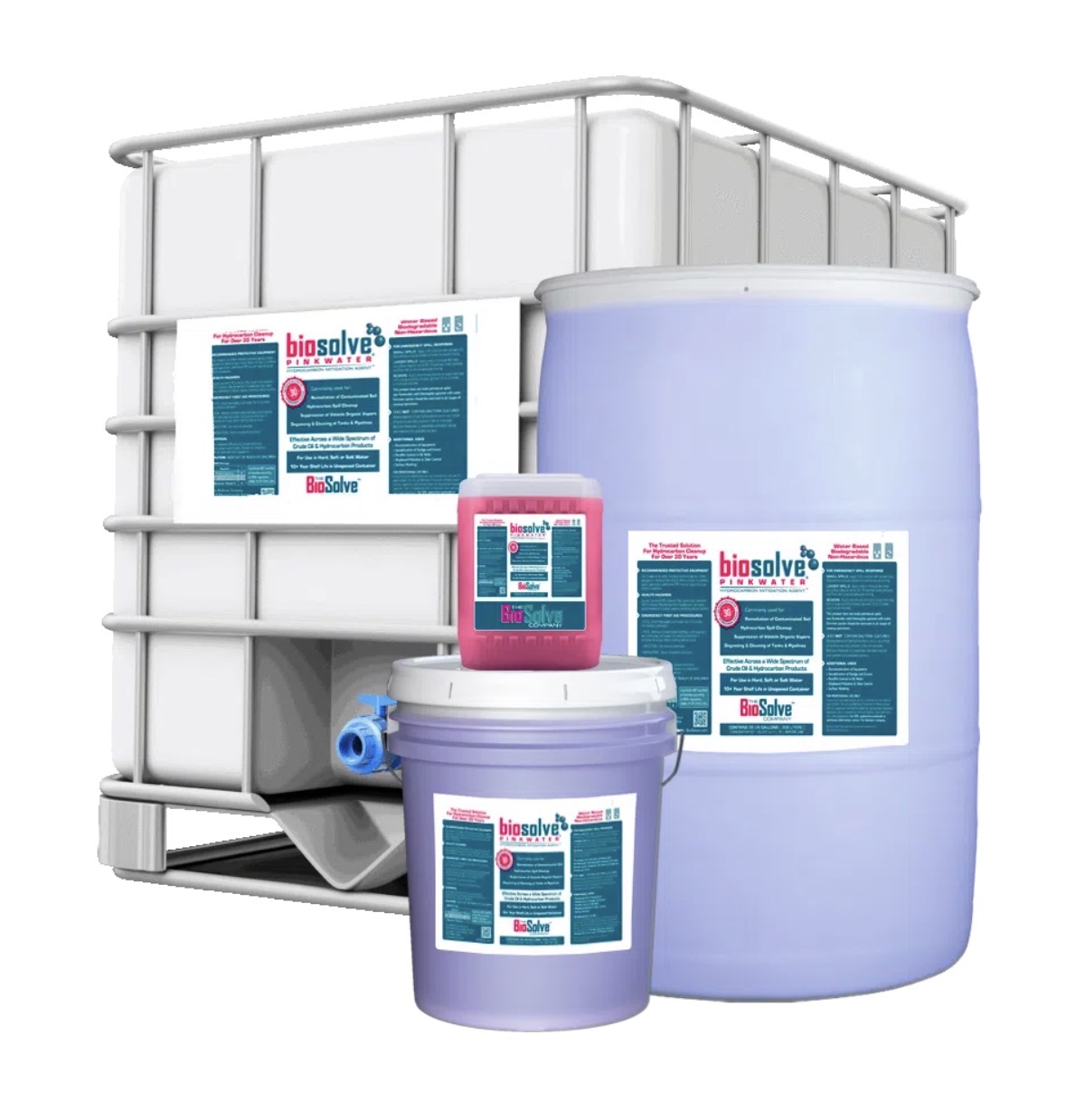
On-site treatment products like BioSolve Pinkwater work by rapidly clarifying turbid water and conditioning it so suspended solids drop out and the water meets discharge requirements. Instead of trucking thousands of gallons off site, crews treat the water in place, confirm it meets permit limits, and discharge — keeping the project moving and slashing the volume that has to be hauled and disposed of.
The economics are usually decisive: treating water on site reduces the volume you haul and dispose of, shortens project downtime, and can lower total water-management cost by more than half compared with haul-and-dispose.
Getting the dosing right
Effective treatment depends on matching the product and dose to your actual water — volume, contaminant type, and the discharge requirements you're held to. Over-dosing wastes product; under-dosing leaves you out of compliance. Before quoting, a good partner will want to know your water volume, what's in it, how often you treat, and the specific limits in your permit, so you right-size the solution instead of guessing.
The bottom line
If your project generates dewatering water, plan for treatment before the first pump runs — not after an inspector shows up. On-site treatment keeps you compliant, keeps trucks off the road, and keeps the schedule intact. If you'd like help sizing a treatment approach for your site, our team can walk through your water and discharge requirements.