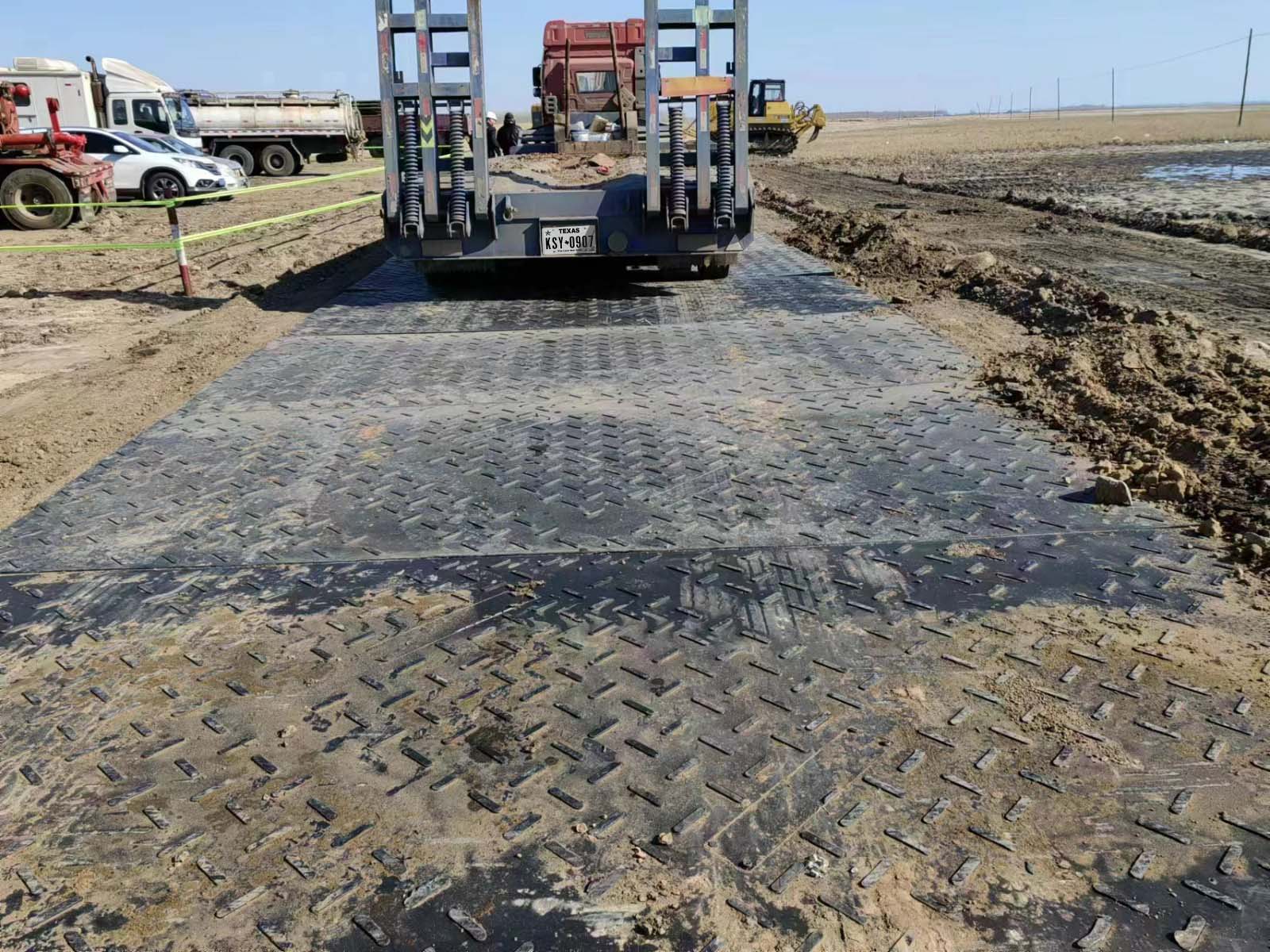

Matting is often the difference between a passable right-of-way and a bogged-down jobsite. The rent-vs-buy decision comes down to project duration and cost per use.
On pipeline right-of-way work, ground protection matting is rarely optional. It's what keeps equipment moving across soft, wet, or environmentally sensitive ground, protects the surface from rutting and compaction, and keeps you compliant with restoration requirements. The real question isn't whether to use mats — it's whether to rent or buy them. The answer usually comes down to two numbers: how long your project runs, and your cost per use.
When renting makes sense
- Short-duration projects where you need mats for weeks, not months or years.
- One-off jobs in a region you don't expect to work in again soon.
- Situations where you don't want capital tied up in matting inventory or the logistics of storage and transport between jobs.
- Turnkey needs where you'd rather someone else deliver, install, maintain, and remove the mats.
When buying makes sense
- Long-duration or back-to-back projects where the same mats get reused many times.
- Contractors who run continuous ROW, access-road, or crane-pad work and can amortize the purchase across many deployments.
- Operations that want mats staged and ready rather than waiting on a rental delivery.
The number that actually matters: cost per use
Reusable composite matting costs more up front than gravel, plywood, or timber — but that sticker price is misleading. What matters is cost per use. A durable composite mat that's deployed, recovered, cleaned, and redeployed dozens of times delivers a far lower cost per use than disposable alternatives, and it leaves near-zero site restoration behind. Factor in reduced equipment downtime and cleanup, and reusable matting can cut total ground-protection cost by roughly half over a project.
Don't forget mat selection
Rent-or-buy is only half the decision — the other half is choosing the right mat for the job. A flagship composite mat is the workhorse for most access and work platforms, but crane and rig pads under concentrated point loads, long soft access roads, and specialty terrain each call for different matting. The best outcome comes from sourcing whatever mat fits your equipment loads, ground conditions, and access distance — not just deploying more of whatever's on the truck.
The bottom line
If your matting need is short and one-off, rent. If it's long or recurring, buying almost always wins on cost per use. And if you'd rather not manage any of it, a turnkey service handles delivery, install, maintenance, and removal. Tell us your loads, ground conditions, and project duration and we'll help you land on the right mat and the right model.