Spills happen. Whether they become a five-minute cleanup or a reportable incident depends entirely on what your crews have on the truck and whether they know how to use it.
Spills are a question of when, not if. A hydraulic line lets go, a fuel transfer overflows, a drum gets knocked over. Whether that becomes a five-minute cleanup or a reportable environmental incident depends almost entirely on two things: what your crews have on the truck, and whether they know how to use it. Readiness is cheap. Scrambling after the fact is not.
What every jobsite spill kit should contain
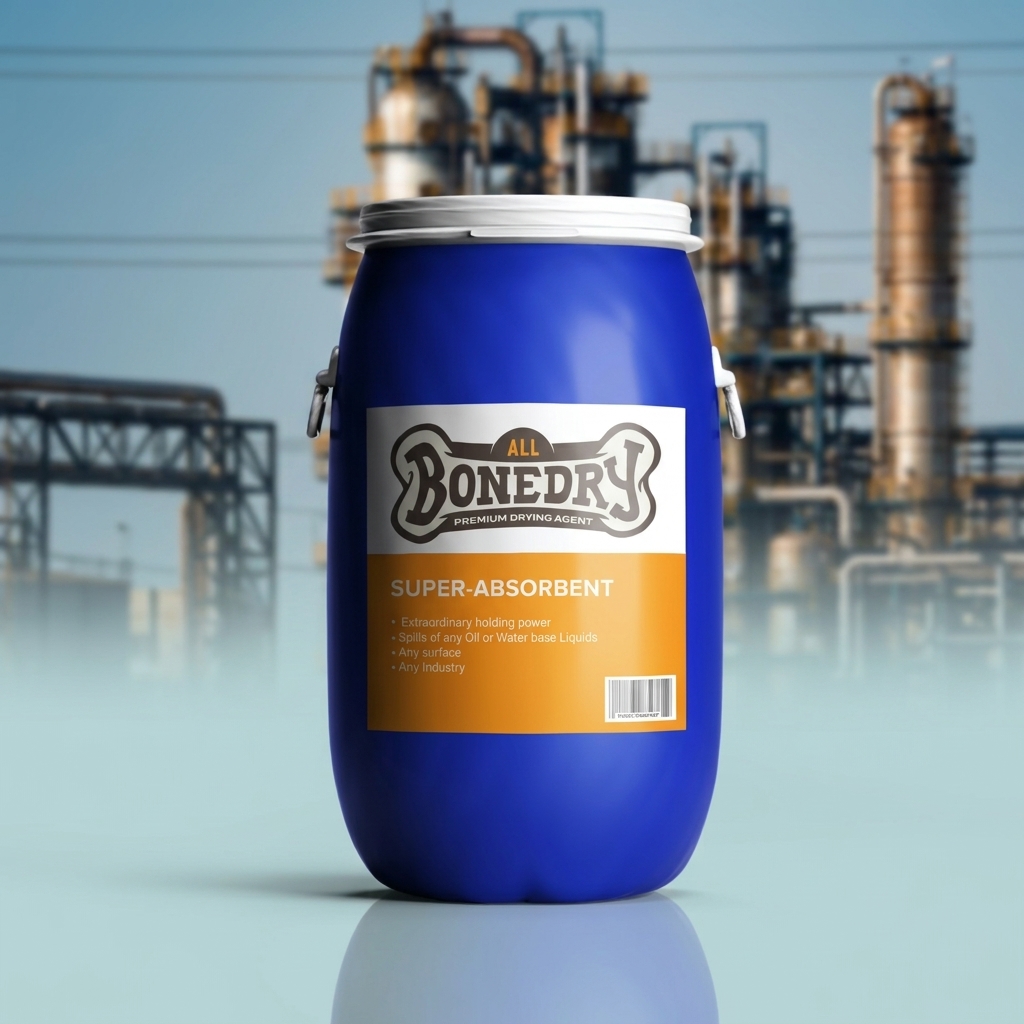
- Hydrocarbon absorbent for oil, diesel, and fuel — enough for the largest realistic spill on that vehicle.
- Absorbent pads, socks, and booms for containment and directing flow away from drains and waterways.
- Personal protective equipment (PPE) — gloves, eye protection, and anything required for the materials on site.
- Disposal bags and labels for used absorbent and contaminated material.
- A quick-reference spill response guide so anyone on the crew can act, not just the lead.
- Contact information for reporting and for your environmental partner.
Standardize kits across the fleet
The most common readiness failure isn't missing kits — it's inconsistent ones. One truck is fully stocked, the next is missing PPE, the third has a kit someone raided months ago. Standardizing contents across every vehicle and fixed station means any crew member can respond the same way regardless of which truck they're in. Pair that with a simple inventory checklist and scheduled inspections so kits get replenished before they run short, not after.
The first five minutes of a spill
- Protect people first — stop the source only if it's safe to do so, and keep bystanders clear.
- Contain before you clean — use socks and booms to keep the spill from reaching drains, soil, or water.
- Apply absorbent to the contained area and give it time to work.
- Collect, bag, and label used material for proper disposal per federal, state, and local rules.
- Document and report — note what happened, how much, and what you did, and report if required.
Readiness is a program, not a purchase
Buying kits once isn't readiness — kits get used, degrade, and drift out of spec. Real readiness is an ongoing program: standardized contents, scheduled inspections, automatic replenishment, and crew training so the gear actually gets used correctly under pressure. That's the difference between a contained incident and a compliance problem.
The bottom line
Audit your trucks this week: open a kit at random and see whether it's complete and whether the nearest crew member knows how to use it. If the answer is no, you've found your next priority. We can help you standardize kits across your fleet and keep them stocked so you're never caught scrambling.